
Brooks
The hard part of writing a book isn’t getting it published. With more opportunities than ever to become an author, the hard part is the actual writing.
In this post, I offer 10 steps for writing a book plus 10 bonus steps. To download all of them for free, click here.
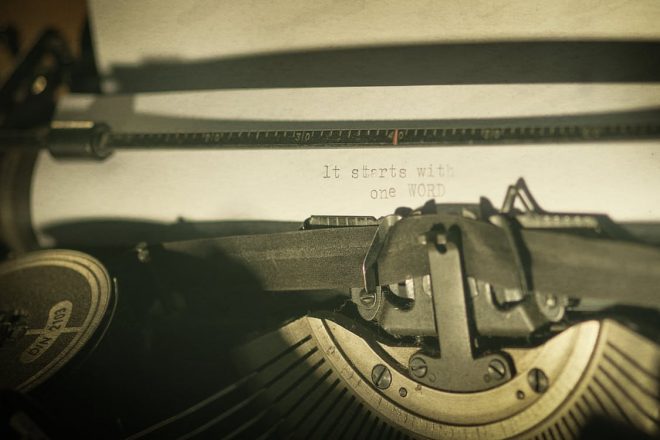
As the bestselling author of five published books, I can tell you without hesitation that the hardest part of this life is sitting down and doing the work. Books don’t just write themselves. You have to invest everything you are into creating an important piece of work, and this requires discipline.
For years, I dreamed of writing. I believed I had important things to say, things the world needed to hear. But as I look back on what it took to actually become an author, I realize how different the process was from my expectations.
To begin with, you don’t just sit down to write a book. That’s not how writing works. You write a sentence, then a paragraph, then maybe if you’re lucky, an entire chapter. Writing happens in fits and starts, in bits and pieces. It’s a process.
The way you get the work done is not complicated. You take one step at a time, then another and another. As I look back on the books I’ve written, I can see how the way these works were made was not as glamorous or as mysterious as I once thought.
How to really write a book (what’s in this article)
In this post, I’ll teach you the fundamental steps you need to write a book. I’ve worked hard to make this easy to digest and super practical, so you can start making progress.
And just a heads up: if you dream of authoring a bestselling book like I have and you’re looking for a structured plan to guide you through the writing process, I have a special opportunity for you at the end of this post where I break the process down.
But first, let’s look at the big picture. What does it take to write a book? It happens in three phases:
- Beginning: You have to start writing. This sounds obvious, but it may be the most overlooked step in the process. You write a book by deciding first what you’re going to write and how you’re going to write it.
- Staying motivated: Once you start writing, you will face self-doubt and overwhelm and a hundred other adversaries. Planning ahead for those obstacles ensures you won’t quit when they come.
- Finishing: Nobody cares about the book that you almost wrote. We want to read the one you actually finished, which means no matter what, the thing that makes you a writer is your ability not to start a project, but to complete one.
Below are 10 ridiculously tips that fall under each of these three major phases plus an additional 10 bonus tips. I hope they help you tackle and finish the book you dream of writing.
BONUS: Download a quick reference guide for all 20 writing tips. Get them free here.
Phase 1: Getting started
1. Decide what the book is about
Good writing is always about something. Write the argument of your book in a sentence, then stretch that out to a paragraph, and then to a one-page outline. After that, write a table of contents to help guide you as you write, then break each chapter into a few sections. Think of your book in terms of beginning, middle, and end. Anything more complicated will get you lost.
2. Set a daily word count goal
John Grisham began his writing career as a lawyer and new dad — in other words, he was really busy. Nonetheless, he got up an hour or two early every morning and wrote a page a day. After a couple of years, he had a novel. A page a day is only about 300 words. You don’t need to write a lot. You just need to write often. Setting a daily goal will give you something to aim for. Make it small and attainable so that you can hit your goal each day and start building momentum.
3. Have a set time to work on your book every day
Consistency makes creativity easier. You need a daily deadline to do your work — that’s how you’ll finish writing a book. Feel free to take a day off, if you want, but schedule that ahead of time. Never let a deadline pass; don’t let yourself off the hook so easily. Setting a daily deadline and regular writing time will ensure that you don’t have to think about when you will write. When it’s time to write, it’s time to write.
4. Write in the same place every time
It doesn’t matter if it’s a desk or a restaurant or the kitchen table. It just needs to be different from where you do other activities. Make your writing location a special space, so that when you enter it, you’re ready to work. It should remind you of your commitment to finish this book. Again, the goal here is to not think and just start writing.
Phase 2: Do the work
5. Set a total word count
Once you’ve started writing, you need a total word count for your book. Think in terms of 10-thousand work increments and break each chapter into roughly equal lengths. Here are some general guiding principles:
- 10,000 words = a pamphlet or business white paper. Read time = 30-60 minutes.
- 20,000 words = short eBook or manifesto. The Communist Manifesto is an example of this, at about 18,000 words. Read time = 1-2 hours.
- 40,000–60,000 words = standard nonfiction book / novella. The Great Gatsby is an example of this. Read time = three to four hours.
- 60,000–80,000 words = long nonfiction book / standard-length novel. Most Malcolm Gladwell books fit in this range. Read time = four to six hours.
- 80,000 words–100,000 words = very long nonfiction book / long novel. The Four-Hour Work Week falls in this range.
- 100,000+ words = epic-length novel / academic book / biography. Read time = six to eight hours. The Steve Jobs biography would fit this category.
6. Give yourself weekly deadlines
You need a weekly goal. Make it a word count to keep things objective. Celebrate the progress you’ve made while still being honest about how much work is left to do. You need to have something to aim for.
7. Get early feedback
Nothing stings worse than writing a book and then having to rewrite it, because you didn’t let anyone look at it. Have a few trusted advisers to help you discern what’s worth writing. These can be friends, editors, family. Just try to find someone who will give you honest feedback early on to make sure you’re headed in the right direction.
Phase 3: Finishing
8. Commit to shipping
No matter what, finish the book. Set a deadline or have one set for you. Then release it to the world. Send it to the publisher, release it on Amazon, do whatever you need to do to get it in front of people. Just don’t put it in your drawer. The worst thing would be for you to quit once this thing is written. That won’t make you do your best work and it won’t allow you to share your ideas with the world.
9. Embrace failure
As you approach the end of this project, know that this will be hard and you will most certainly mess up. Just be okay with failing, and give yourself grace. That’s what will sustain you — the determination to continue, not your elusive standards of perfection.
10. Write another book
Most authors are embarrassed by their first book. I certainly was. But without that first book, you will never learn the lessons you might otherwise miss out on. So, put your work out there, fail early, and try again. This is the only way you get better. You have to practice, which means you have to keep writing.
Every writer started somewhere, and most of them started by squeezing their writing into the cracks of their daily lives. That’s how I began, and it may be where you begin, as well. The ones who make it are the ones who show up day after day. You can do the same.
Want to go to the next level? Take the next step and learn how to write a bestseller.
The reason most people never finish their books
Every year, millions of books go unfinished. Books that could have helped people, brought beauty or wisdom into the world.
In one way or another, the problem is always the same. The author quit. Maybe you’ve dealt with this. You started writing a book but never completed it. You got stuck and didn’t know how to finish. Or you completed your manuscript but didn’t know what to do after. But here’s what nobody told you:
The secret to finishing a book is having a process you can trust.
As a matter of survival, I’ve had to create a clear book-writing framework for myself, what I call the “five draft method” which helps me get a book written and ready to launch. This is the part that I never learned in any English class:
In other words, the writing process matters. You have to write a book worthy of being sold. And if you want to maximize your chances of finishing your book, you need a plan. Writing has changed my life. It helped me find my calling and provided an opportunity to make an impact on the world and a living for my family.
10 more writing tips
Need some help staying motivated? Here are another 11 tips to help you keep going.
11. Only write one chapter at a time
Write and publish a novel, one chapter at a time, using Amazon Kindle Singles, Wattpad, or sharing with your email list subscribers.
12. Write a shorter book
The idea of writing a 500-page masterpiece can be paralyzing. Instead, write a short book of poems or stories. Long projects are daunting. Start small.
13. Start a blog to get feedback early
Getting feedback early and often helps break up the overwhelm. Start a website on WordPress or Tumblr and use it to write your book a chapter or scene at a time. Then eventually publish all the posts in a hardcopy book.
14. Keep an inspiration list
You need it in order to keep fresh ideas flowing. Read constantly, and use a system to capture, organize and find the content you’ve curated. I use Evernote, but use a system that works for you.
15. Keep a journal
Then, rewrite the entries in a much more polished book format, but use some photocopies or scans of the journal pages as illustrations in the book. You could even sell “deluxe” editions that come with photocopied versions of the journal.
16. Deliver consistently
Some days, it’s easy to write. Some days, it’s incredibly hard. The truth is: inspiration is merely a byproduct of your hard work. You can’t wait for inspiration. The Muse is really an out-of-work bum who won’t move until you do. Show her who’s boss and that you mean business.
17. Take frequent breaks
Niel Fiore, the author of The Now Habit, says, “There is one main reason why we procrastinate: It rewards us with temporary relief from stress.” If you’re constantly stressed about your unfinished book, you’ll end up breaking your schedule. Instead, plan for breaks ahead of time so you stay fresh: minute breaks, hour breaks, or even multiple day breaks.
18. Remove distractions
Try tools like Ommwriter or Byword or Scrivener to let you write in a totally distraction free environment. That way, email, Facebook, and Twitter won’t interrupt your flow.
19. Write where others are writing (or working)
If you’re having trouble writing consistently by yourself, write where other people are also working. A coffee shop or library where people are actually working and not just socializing can help. If you’re in a place where other people are getting things done, then you’ll have no choice but to join them.
20. Don’t edit as you go
Instead, write without judgment first, then go back and edit later. You’ll keep a better flow and won’t be interrupted by constant criticism of your own work. And you’ll have a lot more writing to edit when it’s time to do so.
And now, let’s get writing
Most books go unfinished. That’s the reality. If you want to be different, you’re going to need a plan. I’ve tried to share that with you in this post. But maybe you want to not only get your book done, but you want to make sure it’s something worth selling.
What do you do, then?
Remember: Before you can launch a bestseller, you have to write one. Fortunately, I’ve broken down that process piece by piece and can share with you exactly what it takes to write a bestseller. To learn more about that and have me walk you through each step of writing a best-selling book, click here.
You can also download a quick reference guide for all of these writing tips here.
Comments
Post a Comment